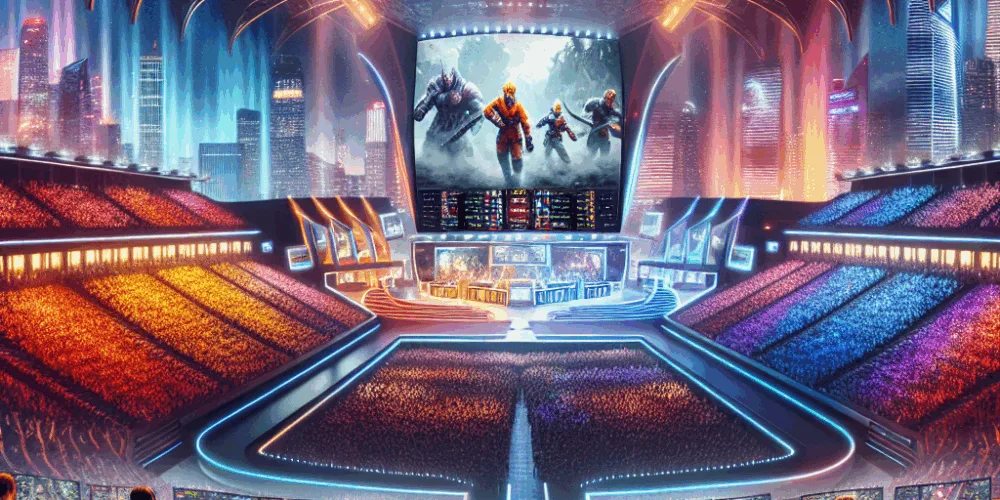
The evolution of gaming from home consoles and PCs to massive, stadium-like arenas is redefining the social and economic landscape of cities around the world. As eSports continues to carve its niche as a dominant force in the entertainment industry, cities are increasingly viewing eSports arenas as pivotal to their cultural and financial growth. This transformative trend is not only providing a boost to local economies but also significantly impacting the way gaming communities interact and flourish.
The inception of eSports arenas can be traced back to countries such as South Korea, where competitive gaming has long been a significant part of the culture. However, the concept has since taken a global turn, with numerous countries recognizing the potential benefits of investing in dedicated gaming arenas. This shift is due in part to the staggering popularity and profitability of eSports, which boasts an estimated global audience of 474 million people and revenues that are expected to surpass $1 billion.
One of the most notable examples of such development is the Esports Stadium Arlington in Texas, which is the largest facility of its kind in North America. Opened in 2018, this state-of-the-art arena covers a sprawling 100,000 square feet and was built with a keen focus on enhancing viewer experience. Its design reflects an acute understanding of what makes eSports unique, from acoustics that capture the roaring crowds to high-definition screens that ensure no miss of in-game action.
The architecture of eSports arenas is specifically tailored to host large-scale tournaments that attract gamers and fans from around the world. These facilities are equipped with the latest in technology, featuring massive LED displays and advanced sound systems. Furthermore, the layout of the seating and the positioning of screens are meticulously planned to provide an optimal viewing experience for every attendee, something traditional sports stadiums have adapted to their designs.
From an economic standpoint, the impact of these arenas extends well beyond their walls. Local businesses benefit from the influx of visitors during large tournaments, which often span several days. Hotels, restaurants, and retail stores all see increased patronage, whilst cities often experience boosts in tourism as fans travel to watch their favorite teams compete in person. Moreover, the global exposure cities gain from hosting international events can significantly enhance their profile as global entertainment hubs.
The social impact is equally significant. eSports arenas are becoming community centers of sorts, offering a designated space where gamers can gather, interact, and share their passion. For many young people, these venues provide a sense of belonging and identity, fostering a community spirit that transcends the digital world. They also serve as hubs for professional development within the eSports industry, offering job opportunities in areas such as event management, broadcasting, and equipment maintenance.
Additionally, these specialized arenas are instrumental in legitimizing eSports as a true sport. Their very existence helps in breaking down long-standing stigmas associated with gaming, portraying it as a reputable and worthwhile pursuit. As these facilities become more commonplace, the perception of gaming shifts from a solitary activity to a respected and organized competitive profession.
Looking ahead, the proliferation of eSports arenas is likely to continue as more investors and municipalities recognize their potential. With advancements in virtual reality and streaming technologies, the future of these arenas could see even more immersive and interactive experiences, further blurring the lines between digital and physical spectatorship.
As the narrative around gaming continues to evolve, eSports arenas stand at the forefront of this change, transforming not just the way games are played, but also how communities are built and maintained. In the landscape of modern entertainment, where digital and physical realms increasingly intersect, these venues provide a glimpse into the future of communal entertainment—a future that is dynamic, inclusive, and extraordinarily thrilling.

David Farbacu is a seasoned writer with a passion for games, gaming, casinos, and Xbox. With a wealth of experience in the industry, David brings insightful reviews, comprehensive guides, and engaging articles that cater to both casual gamers and hardcore enthusiasts. His expertise spans across various gaming platforms and genres, making him a go-to source for the latest trends and developments in the gaming world.