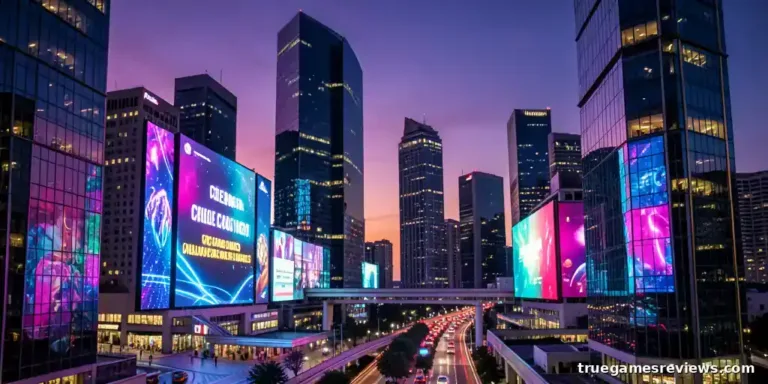
In recent years, the world of competitive gaming, commonly known as eSports, has transformed from niche gatherings at local internet cafes to grandiose, international tournaments that capture the attention of millions worldwide. With substantial prize pools and a fan base that rivals traditional sports, eSports have carved a niche that continues to grow both in diversity and complexity.
One of the most captivating aspects of eSports is its accessibility. Unlike traditional sports, which often require physical prowess and access to specific venues or equipment, eSports levels the playing field by being readily accessible to anyone with a computer or gaming console. This universality has propelled the eSports industry to an estimated valuation nearing $1.5 billion as of 2023, with forecasts projecting continual growth.
The evolution of gaming platforms has significantly contributed to the eSports phenomenon. Games like ‘League of Legends’, ‘Dota 2’, and ‘Counter-Strike: Global Offensive’ are not just games but are now considered professional sports. These games, among others, are staples in major tournaments such as the International Dota 2 Championships and the League of Legends World Championships, which not only feature professional commentary and live broadcasts but also draw stadium-sized audiences and millions of online viewers.
At the heart of eSports’ popularity is its community-centric approach. Platforms like Twitch and YouTube Gaming enable players to stream their gameplay live, building substantial followings and interacting with fans in real-time. This interaction fosters a community that transcends geographical boundaries, creating a global village of gamers who share a common passion.
2023 has been a landmark year, with the eSports industry embracing unprecedented technological advancements. The integration of virtual reality (VR) and augmented reality (AR) into gaming tournaments has begun, promising to enhance the viewer experience by offering immersive ways to watch and engage with content. For instance, VR setups that simulate the environment of a game allow fans to experience the action as if they were right beside their favorite players.
Another notable trend is the rise of mobile eSports. With smartphones becoming more powerful, games like ‘PUBG Mobile’ and ‘Mobile Legends’ have developed their own competitive scenes. These mobile games attract a broader audience, many of whom may not own traditional gaming setups but are keen to participate in or follow eSports.
This inclusivity extends to the participants of eSports itself. In what was once a male-dominated industry, we are now witnessing a promising increase in the number of female participants and the establishment of entirely female leagues. Organizations dedicated to fostering diversity in eSports, such as Women in Games and AnyKey, are working towards ensuring that eSports becomes a welcoming environment for everyone.
Cities around the globe are recognizing the economic impact of hosting eSports events. Metropolises like Los Angeles, Seoul, and Stockholm have regularly played host to major tournaments, benefiting from tourism and increased local business activities. In response, several cities are investing in dedicated eSports arenas and infrastructure to capitalize on this growing market.
However, the explosive growth of eSports is not without its challenges. Issues such as player burnout, the need for regulatory standards, and concerns over gaming addiction are increasingly coming to the forefront. Organizations like the Electronic Sports League (ESL) are beginning to implement measures such as health guidelines and fair play policies to address these concerns.
As we look towards the future, it is clear that eSports are more than a fleeting trend. They represent a paradigm shift in how games are played and viewed. With the potential inclusion of eSports in the Olympic Games being discussed, the boundary between traditional sports and eSports continues to blur, making it an exciting time for all involved.
The ongoing growth of eSports highlights its potential not only as a form of entertainment but also as a significant cultural force that shapes how the digital generation socializes, plays, and experiences the world of competitive sports. With its finger on the pulse of technological innovation and community engagement, eSports is undoubtedly poised for even greater leaps in the years to come.

David Farbacu is a seasoned writer with a passion for games, gaming, casinos, and Xbox. With a wealth of experience in the industry, David brings insightful reviews, comprehensive guides, and engaging articles that cater to both casual gamers and hardcore enthusiasts. His expertise spans across various gaming platforms and genres, making him a go-to source for the latest trends and developments in the gaming world.