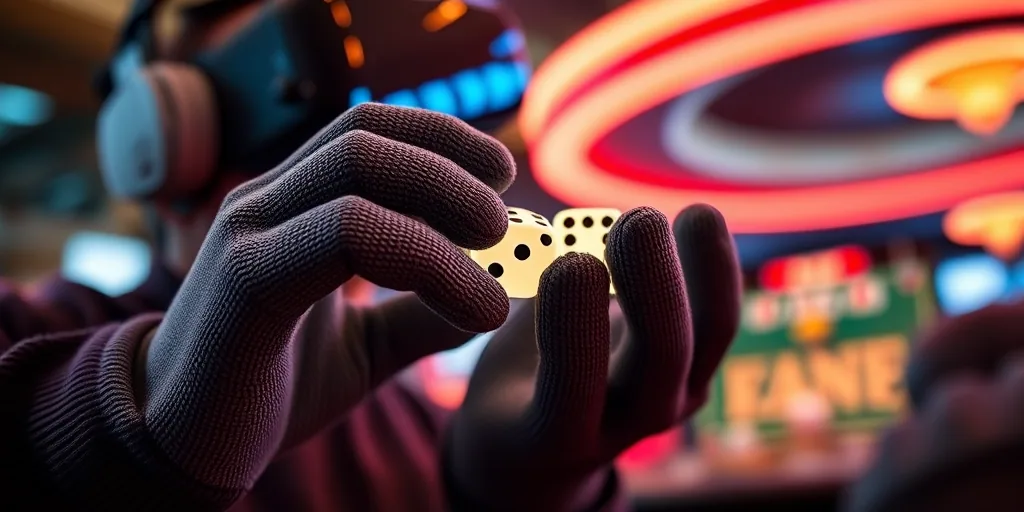
Virtual reality (VR) technology is reshaping industries across the globe, and the casino world is not immune to its influence. Over the past few years, there has been a notable shift in how gaming enthusiasts engage with gambling experiences, moving from traditional brick-and-mortar casinos to online platforms. Now, virtual reality casinos are beginning to carve out their niche, promising users an immersive experience that mirrors the excitement and interactivity of a physical casino without ever leaving home.
Virtual reality casinos utilize VR technology to create a simulated environment where players can walk around, interact with other players, and engage in games just as they would in a real-world casino. This technology uses VR headsets, sensory gloves, and occasionally, treadmills to enhance the experience, making it as real as possible. Players can choose from a variety of games such as slots, poker, blackjack, and roulette, experiencing them in a completely new way.
One of the key attractions of VR casinos is the level of immersion they offer. Players are not just clicking a mouse or watching a screen; instead, they are stepping into a casino where they can explore, interact, and feel the buzz of the environment. This level of engagement is currently unmatched by traditional online casinos and is a significant draw for gamers seeking a more robust and interactive experience.
The rise of VR casinos is largely facilitated by advances in VR technology. As VR headsets become more affordable and accessible, more consumers are willing to try VR experiences. Companies like Oculus, HTC, and Sony are continuously refining their VR products, making them more user-friendly and enhancing their capabilities, which in turn makes VR more appealing for casino game developers.
From a business perspective, VR casinos offer game developers and casino operators a new way of enhancing and diversifying their product offerings. By incorporating VR, casinos can attract a younger demographic that might not be as interested in traditional gambling formats. This demographic is often looking for dynamic, immersive, and innovative forms of entertainment, which VR can provide.
However, the development of VR casinos is not without challenges. One of the primary concerns is the regulation of VR gambling. As with online gambling, different countries have different laws regarding gambling in VR. Operators and developers must navigate these regulations carefully to avoid legal pitfalls while also ensuring that they provide fair and secure gambling experiences.
Additionally, there is the challenge of technology adaptation among users. While many gamers are eager to adopt new technologies, others might be hesitant due to the costs of VR equipment or a preference for more traditional gaming experiences. Thus, reaching a wider audience may take time as more people become accustomed to VR technology and its benefits.
Despite these challenges, the potential for VR casinos is enormous. According to industry analysts, the global VR market in gaming is expected to grow significantly in the next few years, with a substantial portion of this growth driven by VR gambling. This suggests that as technology continues to evolve and become more integrated into everyday life, VR casinos could become a common form of entertainment, much like online casinos are today.
In conclusion, virtual reality casinos represent a significant shift in the gambling industry, offering a new type of entertainment that combines the excitement of real-world gambling with the convenience and technology of online play. As VR technology continues to advance and become more accessible, it is likely that more and more players will explore what VR casinos have to offer. For those looking for the thrill of the casino in a modern format, virtual reality could well be the next frontier in gambling.

David Farbacu is a seasoned writer with a passion for games, gaming, casinos, and Xbox. With a wealth of experience in the industry, David brings insightful reviews, comprehensive guides, and engaging articles that cater to both casual gamers and hardcore enthusiasts. His expertise spans across various gaming platforms and genres, making him a go-to source for the latest trends and developments in the gaming world.