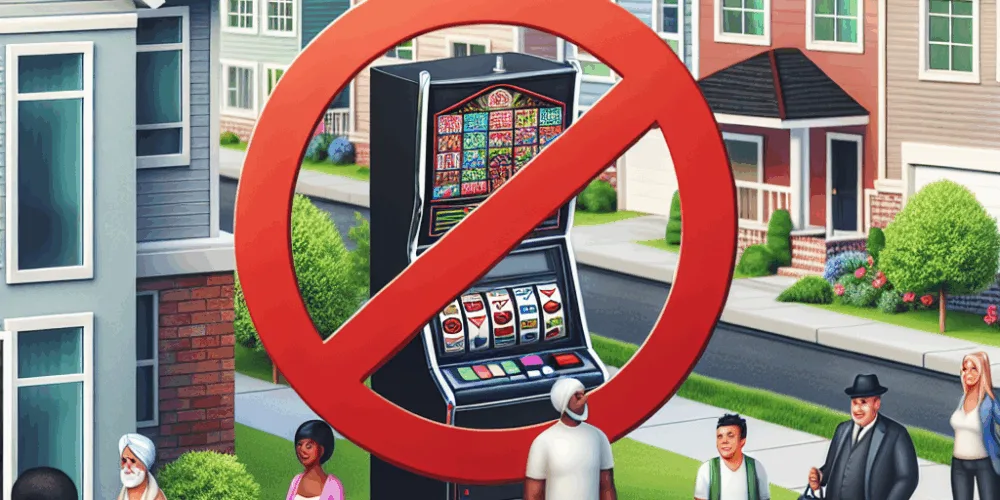
In a groundbreaking move that could reshape the landscape of local gambling, proposed legislation announced this week seeks to limit the operation of slot machines within residential areas across several states. The bill, spearheaded by a bipartisan group of lawmakers, aims to address growing concerns about gambling addiction and its impact on communities.
The legislative push comes amid increasing reports of slot machines being installed in non-traditional venues such as convenience stores, gas stations, and small retail outlets that are often located close to residential neighborhoods. Proponents of the bill argue that the proximity of slot machines to everyday living spaces makes gambling activities too accessible, potentially leading to higher rates of gambling addiction.
“Protecting our communities from the unintended consequences of accessible gambling is paramount,” stated Rep. Jordan Ellis, one of the bill’s primary sponsors. “Our goal isn’t to eliminate gambling, but to ensure it doesn’t become a harmful presence in our neighborhoods.”
The proposed restrictions include limiting the licensing of new slot machines in areas zoned as residential and imposing stricter controls on how close to homes slot machines can be operated. This legislation also intends to increase funding for programs that aid in the prevention and treatment of gambling addictions, reflecting a balanced approach to addressing the issue.
The proposal has elicited mixed reactions from various stakeholders. While some community leaders and residents have expressed strong support for the bill, citing concerns about noise, increased traffic, and other disruptions associated with gambling venues, others worry about potential economic impacts, especially in areas where local businesses depend heavily on revenue from slot machines.
Business owners like Tom Briggs, who operates multiple video gaming terminals in his string of convenience stores, argue that the legislation could deal a severe blow to their operations. “These machines are a significant part of our revenue stream. Limiting them abruptly could force businesses to shut down or cut jobs,” Briggs explained.
Meanwhile, gambling regulation experts suggest that while the intentions behind the legislation are valid, its success will depend significantly on enforcement and the creation of effective support structures for those affected by gambling addiction. Dr. Lisa Han, a professor of psychology specializing in addiction studies, notes, “Legislation is a step in the right direction but must be paired with robust education and treatment options to truly reduce the harm caused by gambling addiction.”
The bill is expected to move to committee hearings next month, where it will face detailed scrutiny from lawmakers. Advocacy groups on both sides of the issue have vowed to mobilize support to influence the outcome.
This legislative effort is part of a larger national conversation about the best ways to regulate slot machines and other forms of gambling to prevent societal harms while still allowing people to enjoy these activities responsibly. As the debate unfolds, all eyes will be on the impacts this bill could have, not only on gambling practices but also on the broader economic and social fabric of the affected communities.

Karine Gomez is an enthusiastic writer and avid gamer with a particular love for PlayStation and casino gaming. Her deep knowledge of gaming trends and casino dynamics makes her articles both informative and engaging. Karine’s passion for PlayStation games and her firsthand experience with casino play shine through in her writing, offering readers authentic insights and valuable tips.