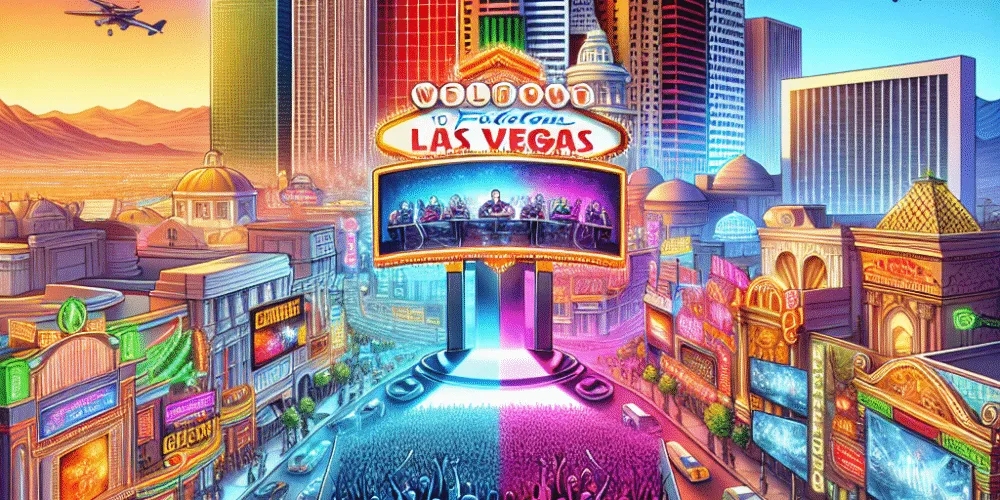
In recent years, the neon-lit skyline of Las Vegas, long renowned for its vibrant casinos and glamorous nightlife, has begun embracing a new form of entertainment that’s capturing both attention and investment: esports. As traditional gaming continues to hold sway, the integration of esports is proving to be not just a trend, but a sustainable facet of the entertainment landscape in Las Vegas. This evolution marks a pivotal shift in how gaming hubs are perceived, from exclusive domains of casino enthusiasts to inclusive arenas for digital battles.
Esports, or competitive video gaming, has surged in popularity worldwide, with revenues and viewership numbers challenging those of conventional sports. As a result, cities known for gaming are adapting to accommodate this growing phenomenon. Las Vegas is at the forefront of this transition, positioning itself as a global esports capital. This move is exemplified by the construction of dedicated arenas and the hosting of major esports events, which are transforming the city’s gaming scene.
The Luxor Hotel and Casino, a staple of the Las Vegas Strip, made headlines in 2018 when it converted one of its nightclubs into the HyperX Esports Arena, a state-of-the-art facility dedicated to hosting esports events. The arena spans 30,000 square feet and is equipped with the latest gaming technology, production studios, and a broadcast center. Such developments are indicative of a broader strategy to attract a younger demographic that might be less interested in traditional gambling but eager for digital competition.
Moreover, the city’s economic strategy includes leveraging these modern gaming facilities to host tournaments that draw competitors and fans from around the globe. Events like the Evolution Championship Series (EVO) have brought significant attention and tourism revenue to Las Vegas, highlighting the city’s capacity to host large-scale international gaming events. These tournaments not only feature high-stakes competition but also foster community and fan engagement, essential elements of the esports ecosystem.
The integration of esports into Las Vegas’s entertainment offerings is also seen in the collegiate sphere. The University of Nevada, Las Vegas (UNLV), has established a robust esports program, offering scholarships and building professional-grade facilities for its teams. This academic embrace of esports underlines the genre’s legitimization and forecasts a future where gaming talent is nurtured on par with traditional athletic programs.
Economic impacts aside, the city’s pivot towards esports has cultural and social implications. By diversifying its entertainment and leisure activities, Las Vegas is dismantling the stereotype of a casino-only destination. This transformation resonates well with a global audience that values diverse and interactive experiences. The inclusivity seen in esports, where players and fans from various backgrounds unite over shared interests, mirrors the inclusive spirit Las Vegas aims to project as it evolves.
Critically, this shift also involves embracing new technologies and business models. Casinos and hotels in Las Vegas are exploring ways to integrate virtual reality (VR) and augmented reality (AR) into both traditional and electronic gaming experiences. These technologies enhance the immersive aspect of gaming and have the potential to draw in more patrons by offering an intersection of different gaming styles and formats.
As this trend continues, the future of Las Vegas and similar hubs looks both vibrant and diverse. The city’s ability to adapt to the changing landscape of entertainment and leisure—by offering a mix of both traditional and modern gaming experiences—positions it as a leader among global entertainment destinations. The ongoing investment in esports infrastructure and community engagement initiatives is a testament to the city’s commitment to not merely keeping pace with contemporary trends but leading them.
In conclusion, Las Vegas’s transformation into a dual-threat as both a traditional and electronic gaming hub illustrates a broader trend in entertainment and leisure industries. The city’s successful integration of esports showcases a blueprint for others to follow, combining historical strengths with new opportunities. As Las Vegas continues to innovate within this hybrid space, it sets the stage for future developments that could redefine global gaming culture altogether.

Karine Gomez is an enthusiastic writer and avid gamer with a particular love for PlayStation and casino gaming. Her deep knowledge of gaming trends and casino dynamics makes her articles both informative and engaging. Karine’s passion for PlayStation games and her firsthand experience with casino play shine through in her writing, offering readers authentic insights and valuable tips.